Discover Tamarind
Tamarind is the sourness behind almost every Kerala meal. Here is where it comes from, and why ours tastes the way it does.
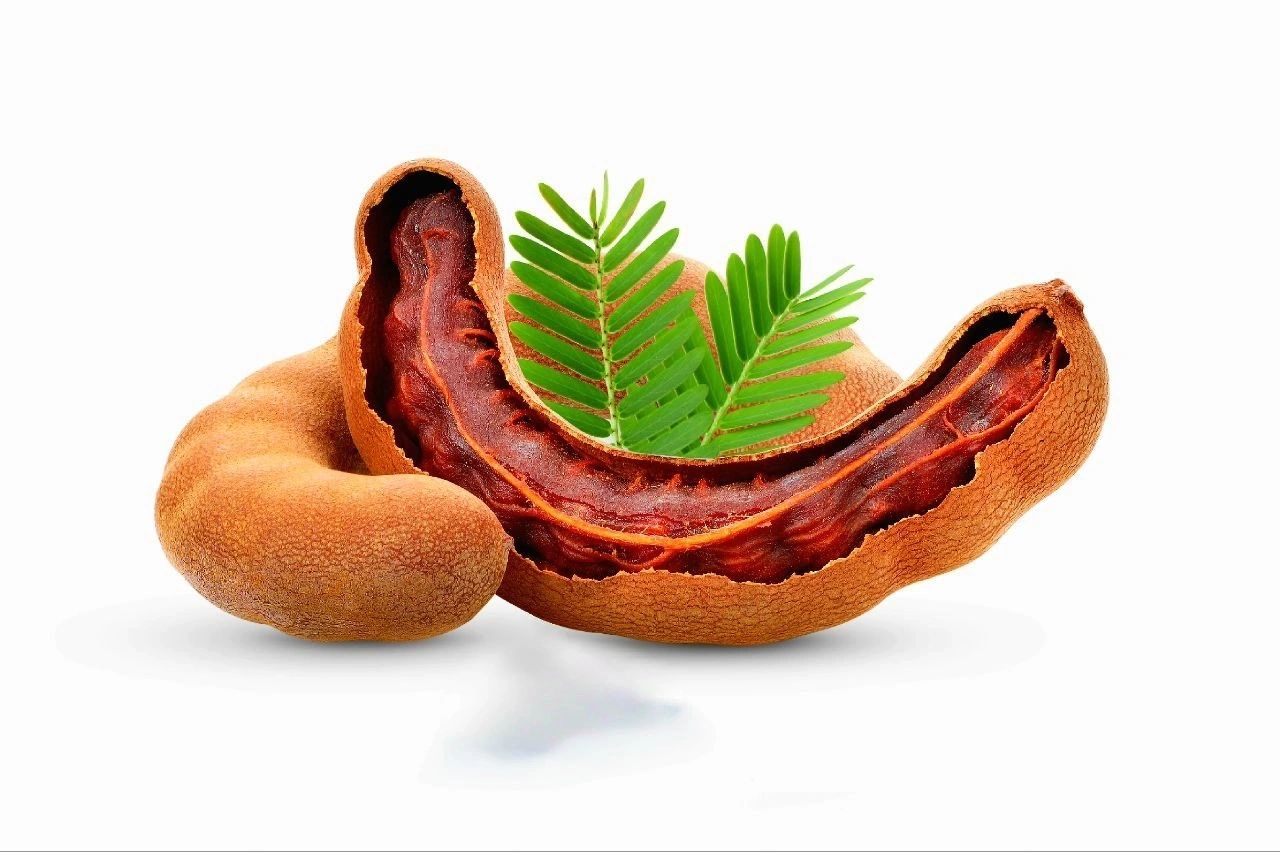
Nobody plants it. It simply grows.
Tamarind trees are not grown in neat rows like rubber or paddy. They come up on their own — by the roadside, near the temple, behind somebody's house.
Nobody sprays them. Nobody feeds them chemicals. The tree takes care of itself and gives fruit year after year.
That is the quiet advantage of tamarind: it reaches your kitchen clean, without anyone having to promise you it is clean.
Why it is called "Indian dates"
Arab traders tasted this fruit and it reminded them of dates. In Arabic, a date is tamar. Since it came from India, they called it tamar Hindi — Indian dates.
Say tamar Hindi quickly, again and again, and you can hear the English word appear: tamarind.
No puli, no curry
Ask anyone who cooks. Sambar without puli is only dal. Rasam without puli has no life in it. And a meen curry needs that sourness — it keeps the fish firm and gives the gravy its shine.
One small piece changes the whole pot. That is the job tamarind has been doing in our kitchens for hundreds of years.
It came from Africa. It belongs here now.
Tamarind first grew wild in Africa. Traders carried it to India long ago, and it never left.
Today it is in the sadya, in Tamil Nadu's puliyodarai, in the chutneys of the north. Whatever its passport once said, it is fully ours now.
Good for the body too
Tamarind is rich in antioxidants. It carries vitamin C, B-group vitamins, and minerals like potassium, magnesium and calcium.
Our grandmothers put it in food long before anyone measured any of this in a laboratory. They simply knew it did the body good.
Not only for cooking
Tamarind turns up well outside the cooking pot — in sweets and candy, in chammanthi, and in old home remedies passed down at home.
Ask any child who has been given a tamarind sweet. They will find the jar again on their own.
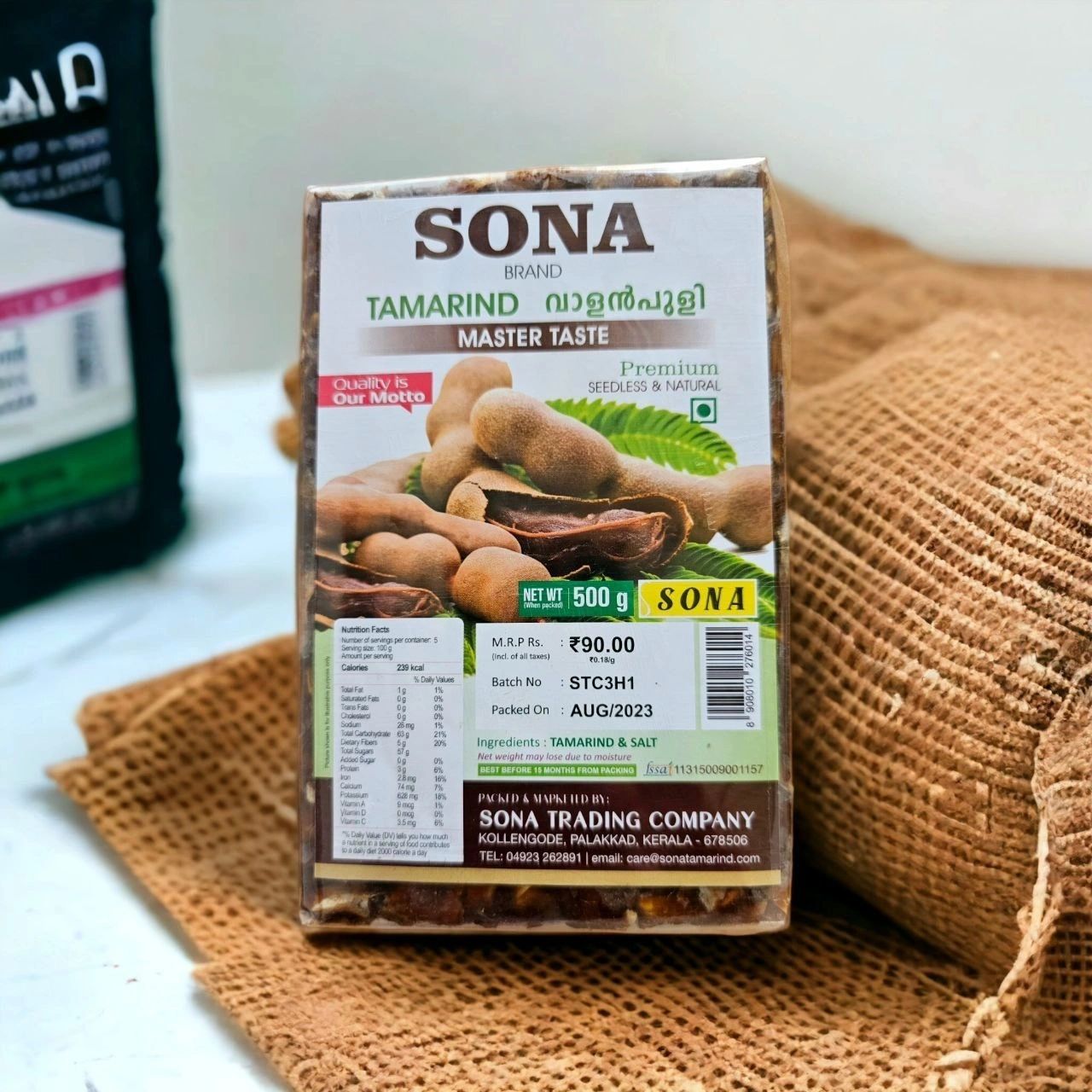
What makes Sona tamarind different
We clean our tamarind in three stages — before moulding, during moulding and after moulding. Seeds, shell and fibre are taken out.
What is left is only the soft dark pulp. No grit between your teeth, no fibre in the curry, nothing you have to pick out.
That is why India's big food brands have bought from us since 1980 — and why it comes to your kitchen in blocks of 200 g, 250 g, 500 g and 1 kg.
Taste it for yourself
Sona tamarind, cambodge, jaggery, pappadam and crystal salt — cleaned, graded and packed by us in Palakkad, Kerala.
See our productsTry the recipes